Agave No Koji
Tequila is one of the spirits whose character is closely tied to its place of origin. The region of Jalisco in Mexico is home to blue agave and the birthplace of some of the purest agave distillates in the world.
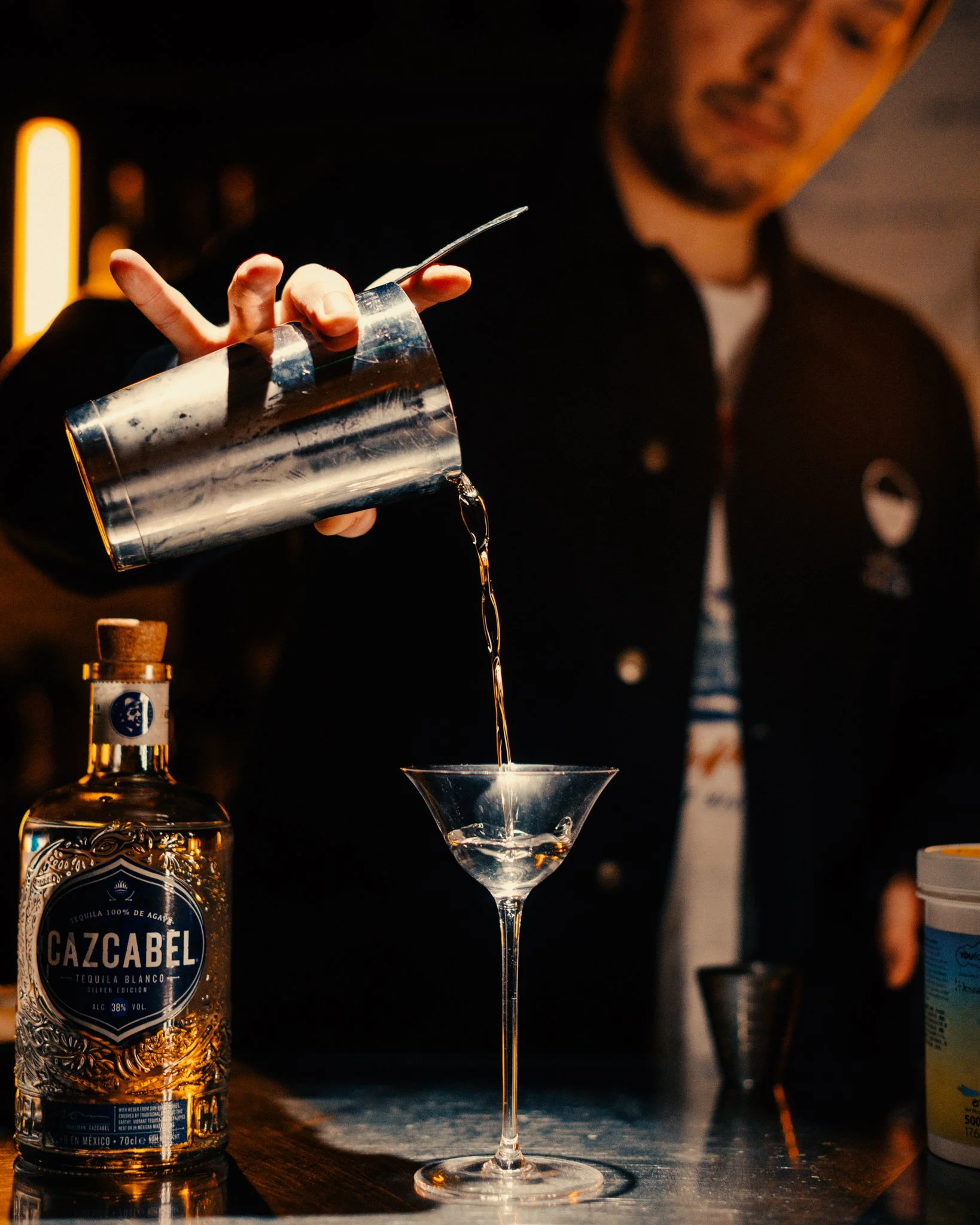
One brand that openly embraces this heritage is Cazcabel.
The brand draws inspiration from the legend of a local shaman known as Don Cazcabel. According to regional stories, he was believed to be a guardian of the agave spirit and a master of natural ingredients used in rituals and healing. This legend became the foundation of the brand’s identity – a connection between tradition, nature, and agave.
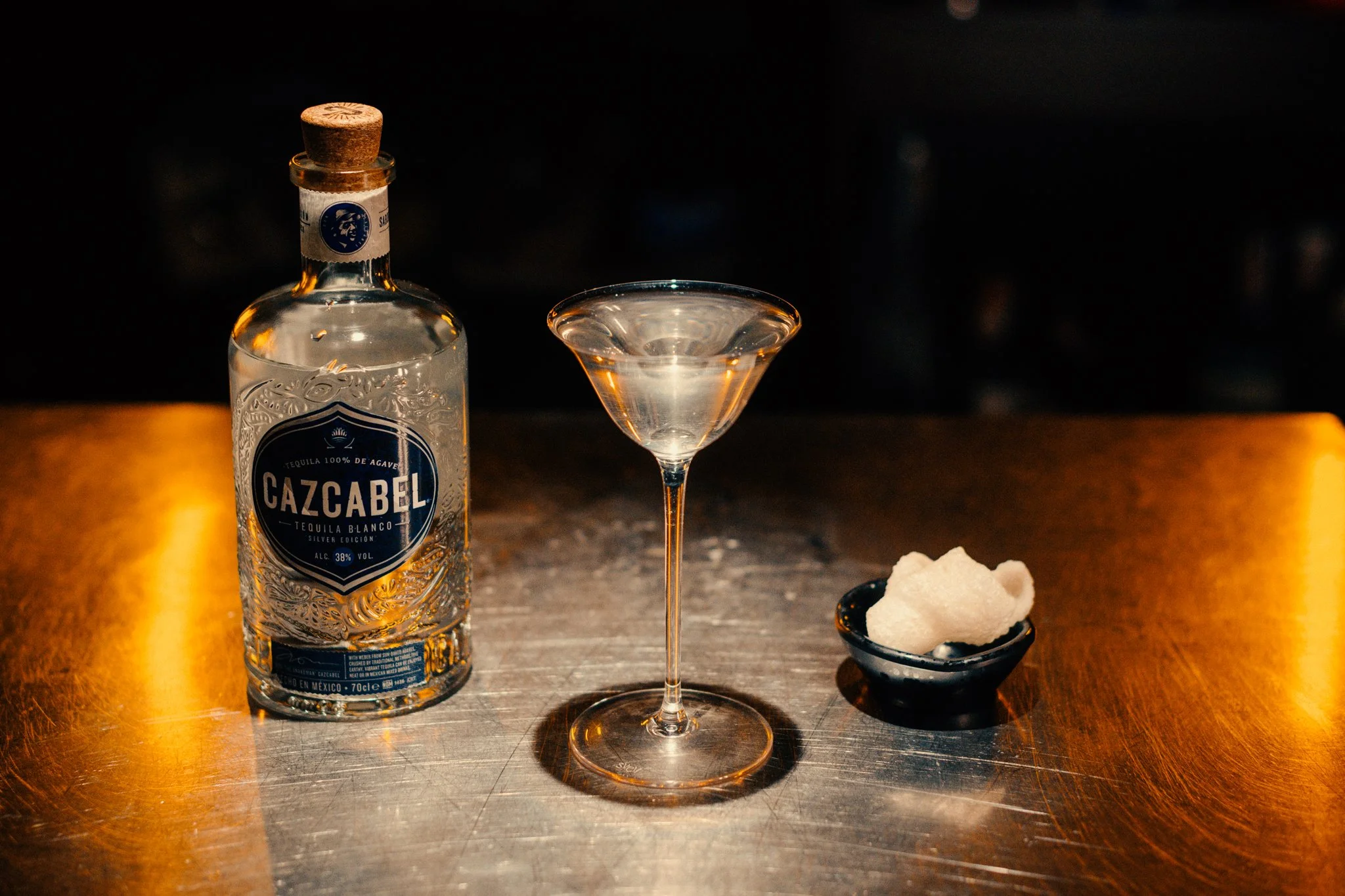
Cazcabel Blanco focuses on the clean profile of blue agave without the influence of oak aging. The result is a tequila with a clear agave aroma, gentle sweetness, and fresh structure, making it suitable both for neat serves and cocktails.
This profile creates space for ingredients that share a similar sense of clarity and texture. One of them is enzymatic rice syrup.
Rice Syrup and Enzymatic Starch Conversion
Rice is often perceived as a neutral ingredient in gastronomy, yet its high starch content makes it ideal for enzymatic conversion.
In this process we use the enzymes Tou FoodAmyläse and Tou Food Glucosidäse (glucoamylase), which break starch down into simple sugars. The result is a clear syrup with natural sweetness and a very clean flavor profile.
Compared to traditional sugar syrup, rice syrup provides a softer and less aggressive sweetness. In cocktails it therefore feels more integrated and helps connect individual ingredients without dominating them.
In the drink Agave No Koji, the rice syrup creates a bridge between tequila, sake and coconut water.
Agave No Koji
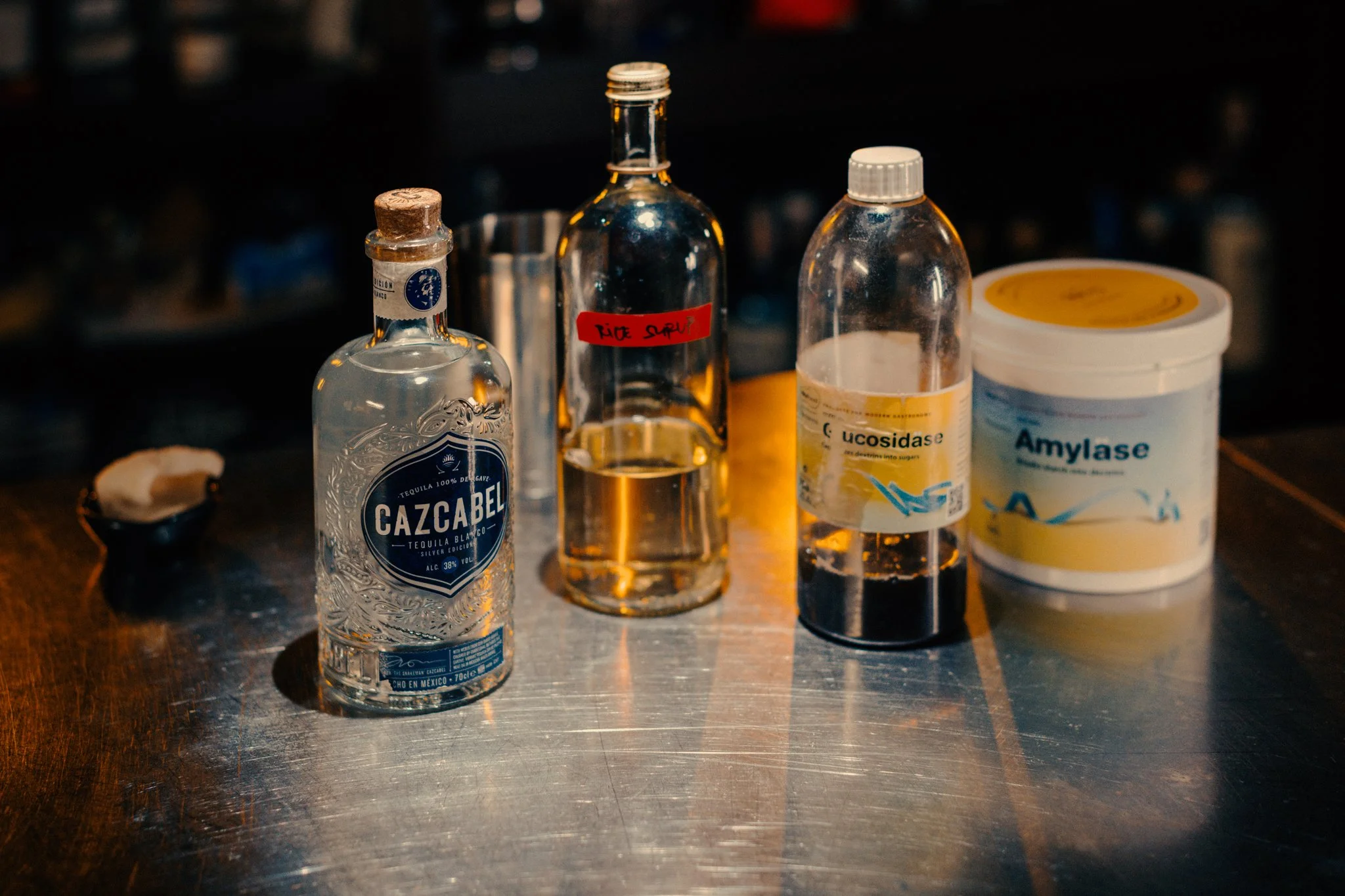
The name Agave No Koji references the Japanese fermentation principle koji, which – much like the enzymes used in this recipe – converts starch into simple sugars.
The cocktail itself is built around balance between agave, rice sweetness and subtle citrus aromatics.
Recipe
Agave No Koji
Cazcabel Blanco – 40 ml
Sake – 20 ml
Coconut Water – 20 ml
Rice Syrup – 15 ml
Lime Bitters – 5 drops
Saline Solution – 5 drops
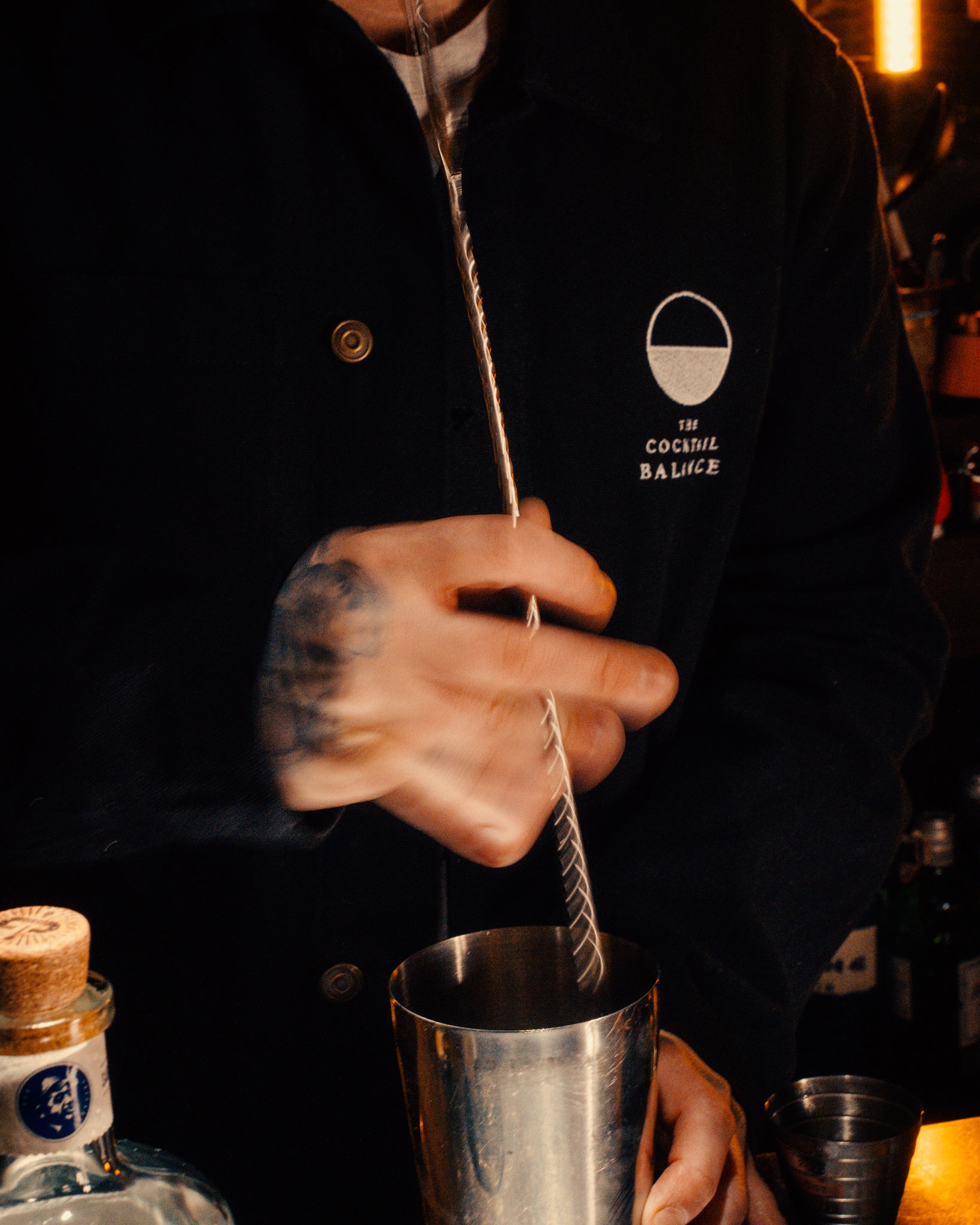
Technique: Stir
Glass: Coupe
Garnish: Rice Cracker
Cazcabel provides the agave backbone of the drink, sake introduces a gentle fermented layer, and coconut water brings lightness and freshness. The rice syrup connects these elements without overpowering them.
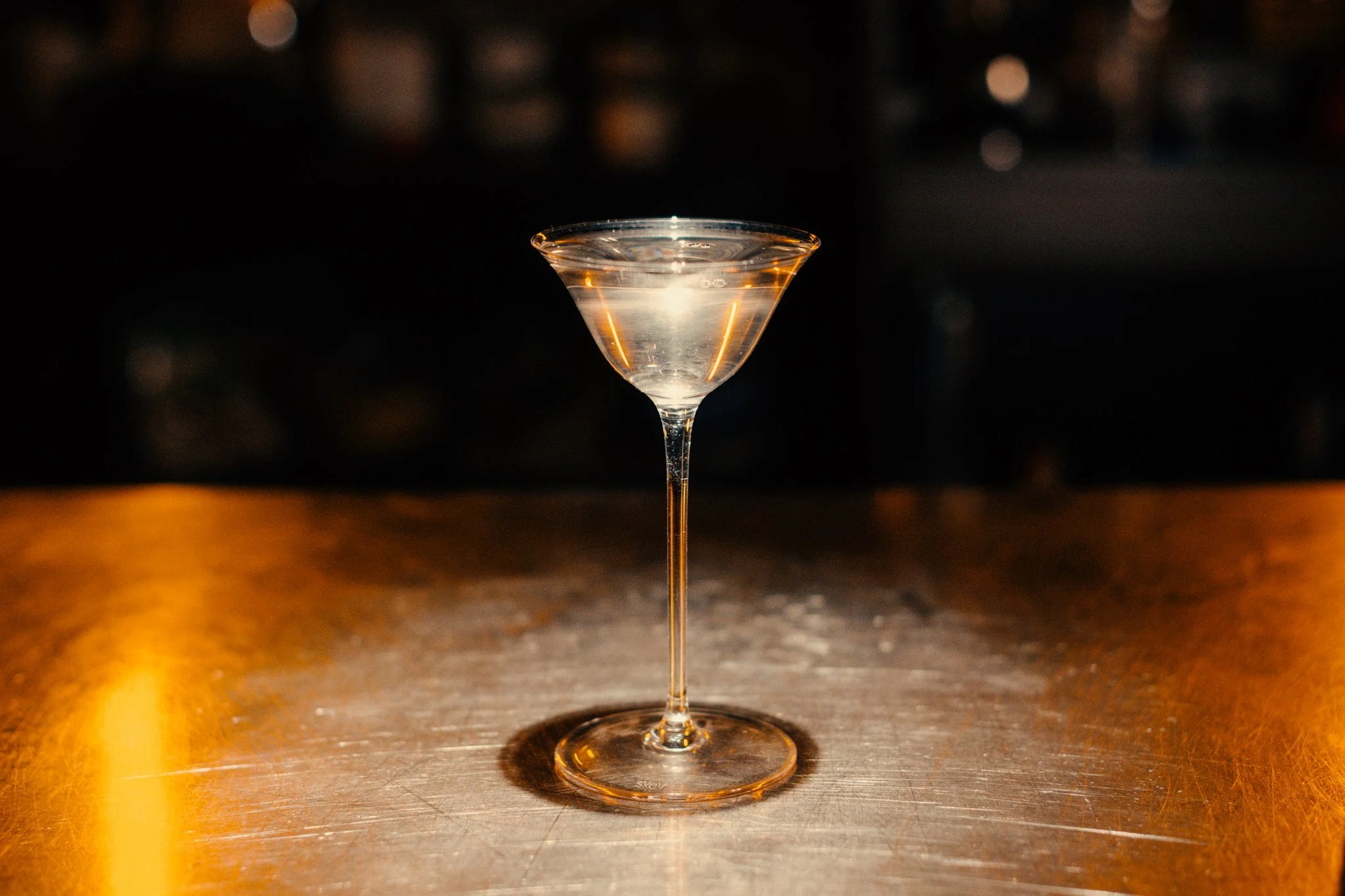
Rice Syrup – Amyläse & Glucosidäse
Rice syrup is a clear syrup prepared using the enzymes amylase and glucosidäse, which convert starch from rice into sugars.
First, the rice is prepared in a rice cooker. Instead of water we use coconut water, adding roasted coconut to introduce a subtle tropical layer.
Ingredients
200 g rice
1 aged banana (or ripe banana)
500 g coconut water
10 g roasted coconut
5 g salt
The banana can be prepared in an Occo Pro device using the Aging program for approximately 10 hours.
Cook the rice in coconut water as you would normally cook rice. Once cooked, add roasted coconut and salt.
Enzymatic Conversion
Transfer the cooked rice into a sous-vide bag and add:
5 g amyläse
5 g glucosidäse
600 g water
Blend the mixture into a rice porridge consistency and place it in a sous-vide bath.
Sous-vide: 5-6 hours at 60 °C.
During this process the starch gradually converts into sugars, reaching approximately 30° Brix.
Clarification
After the sous-vide process, strain the mixture through cloth. Allow the liquid to drain for several minutes, then pass the cloudy portion through the cloth again to obtain the clearest possible liquid.
Final Adjustments
Once the rice water is clear, adjust the sweetness.
Weigh the liquid, measure the Brix level, and add sugar until approximately 50° Brix is reached.
Then add:
2.5 g salt
1 g orange flower water
Bring the mixture briefly to a boil to dissolve the sugar, allow it to cool, and store the syrup.
Cazcabel is built around a clean agave profile. Agave No Koji demonstrates how such a tequila can be combined with modern techniques without losing its identity.
Enzymatic rice syrup does not dominate the drink with flavor, but instead helps create balance and texture.
Tools like these allow bars to work with flavor and structure more precisely than ever before.


*This article was created in collaboration with K O F T , s. r. o.