Everlast
Some drinks are born from an idea.
Others from respect for the ingredient.
The most interesting ones usually combine both.
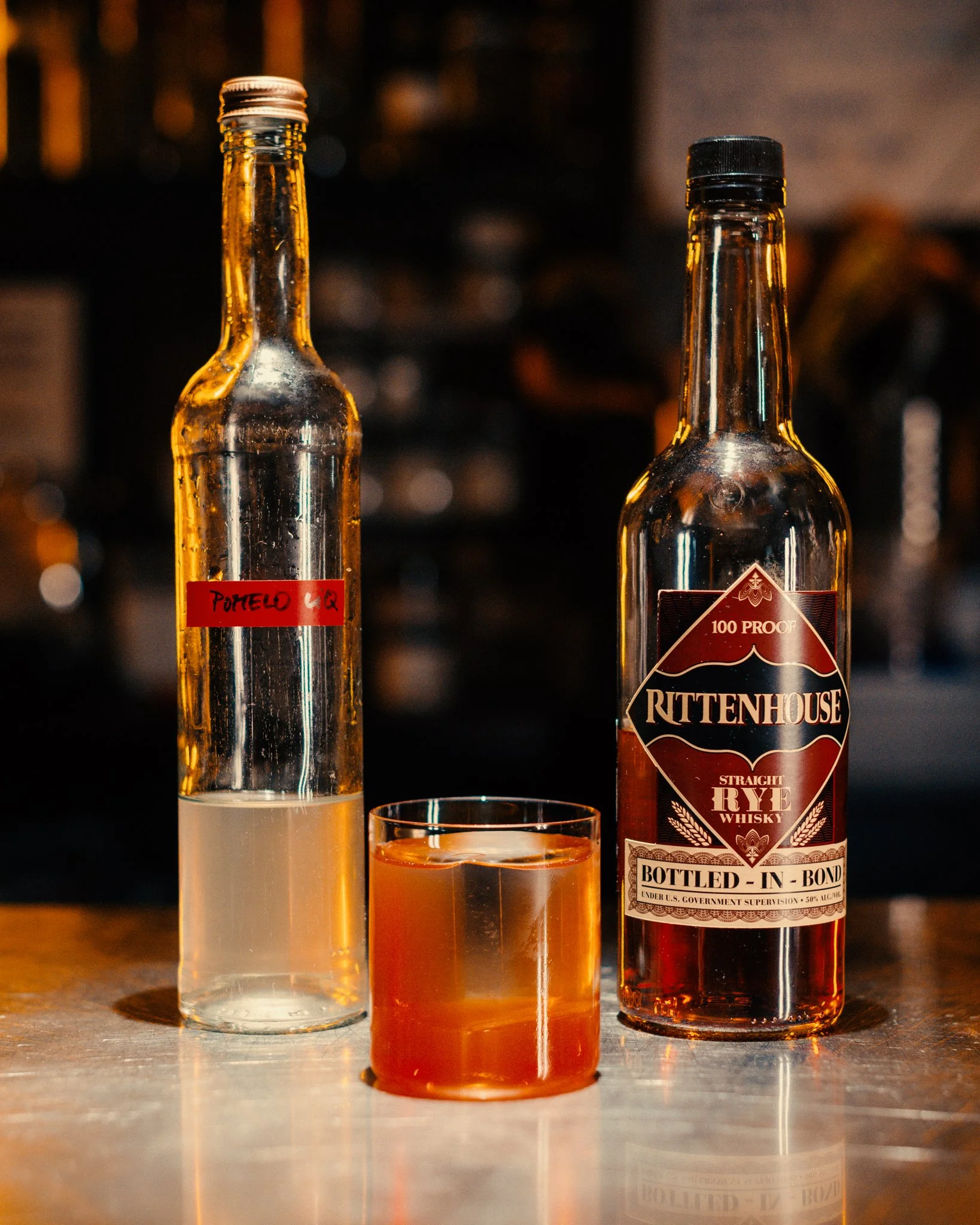
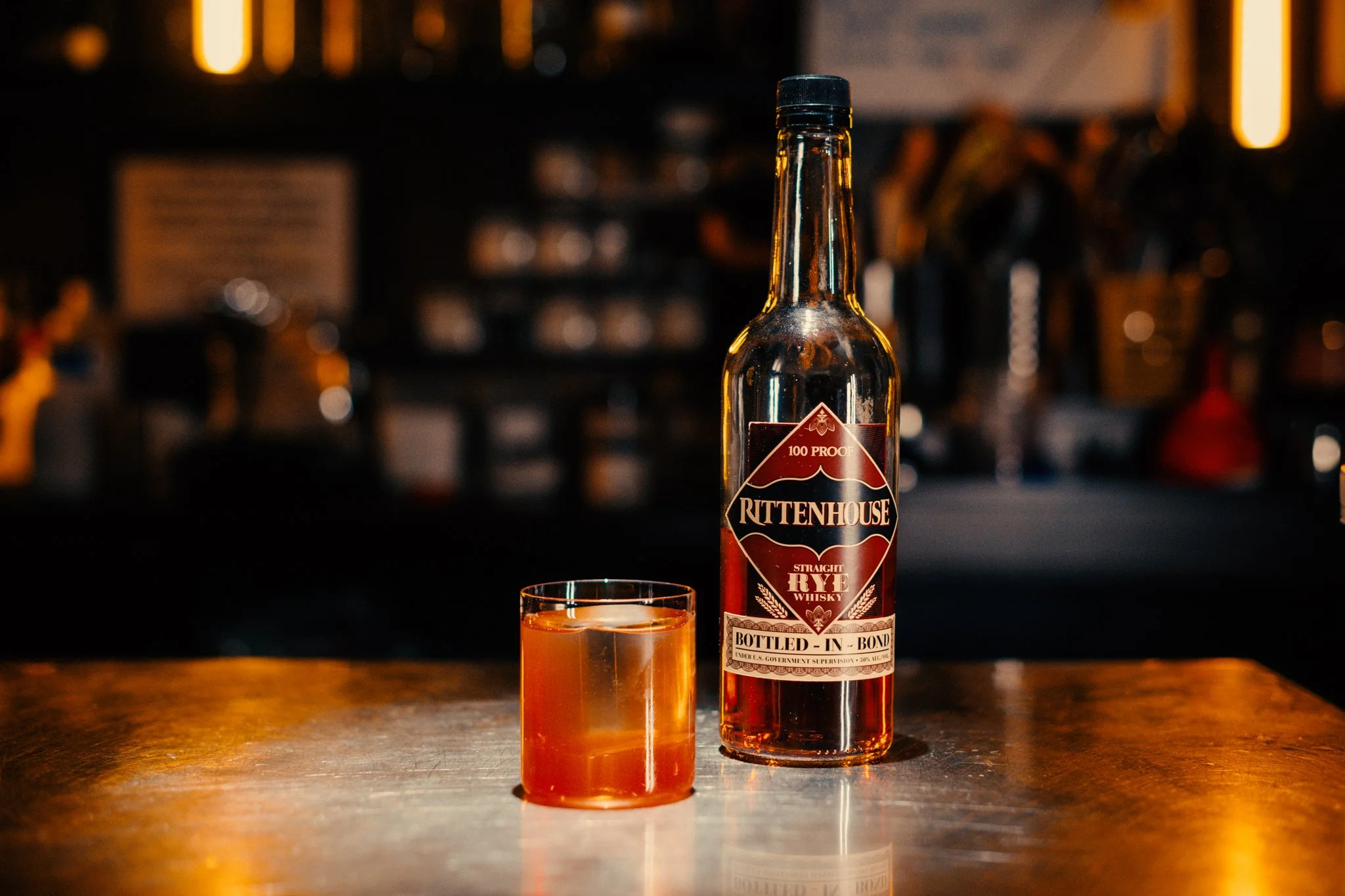
Everlast is built on a modern approach to citrus, but its foundation is a whiskey with a firm place in bar culture. Rittenhouse Rye is not just another bottle in the recipe. It is a brand named after the famous Rittenhouse Square in Philadelphia, rooted in the tradition of classic American rye whiskey. To this day, it is still bottled as Bottled in Bond, according to strictly defined rules for American spirits. In practice, that means the whiskey comes from a single distillery, from one distillation season, was matured for at least four years in federally bonded warehouses, and is bottled at 100 proof / 50% ABV.
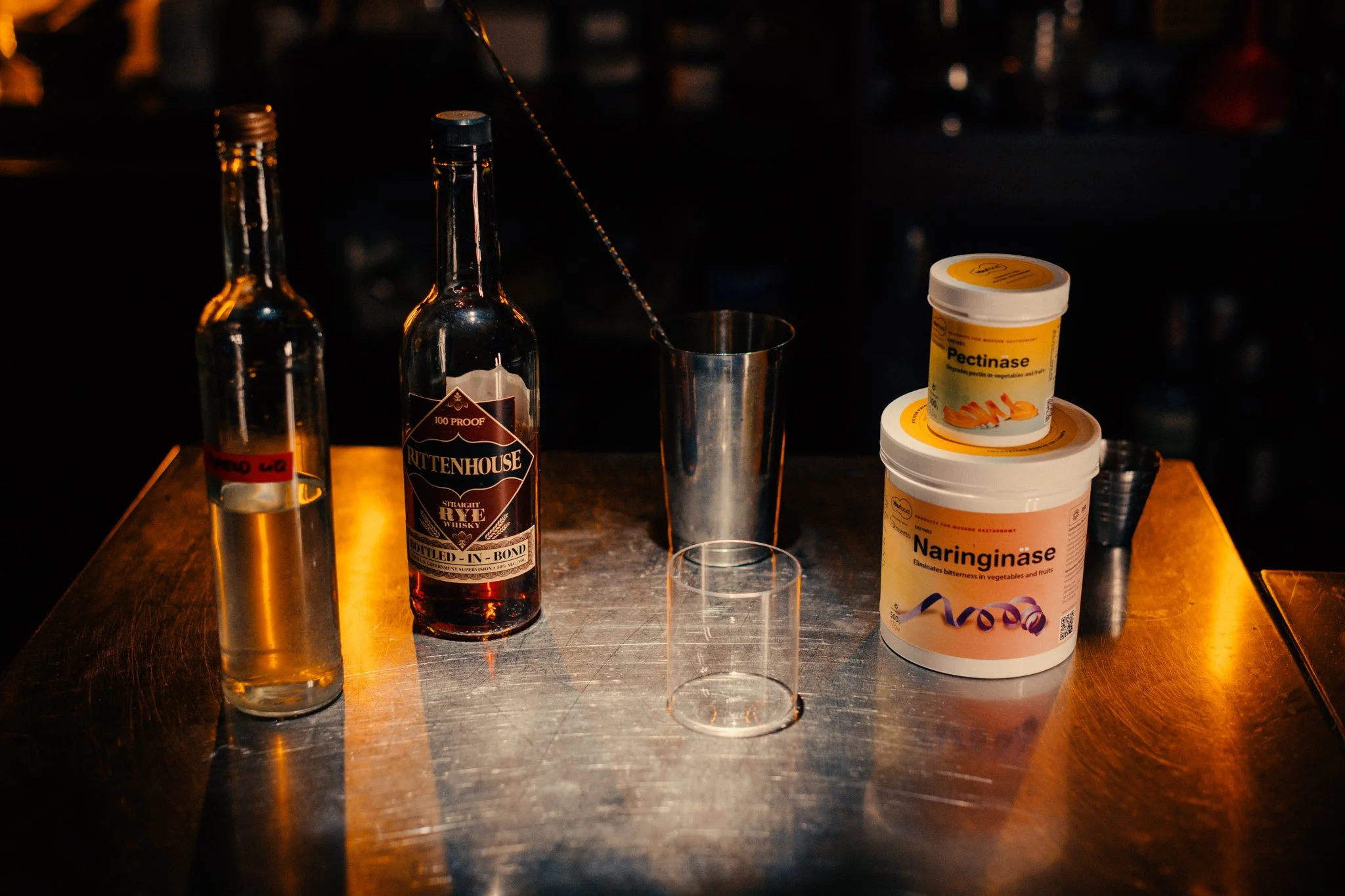
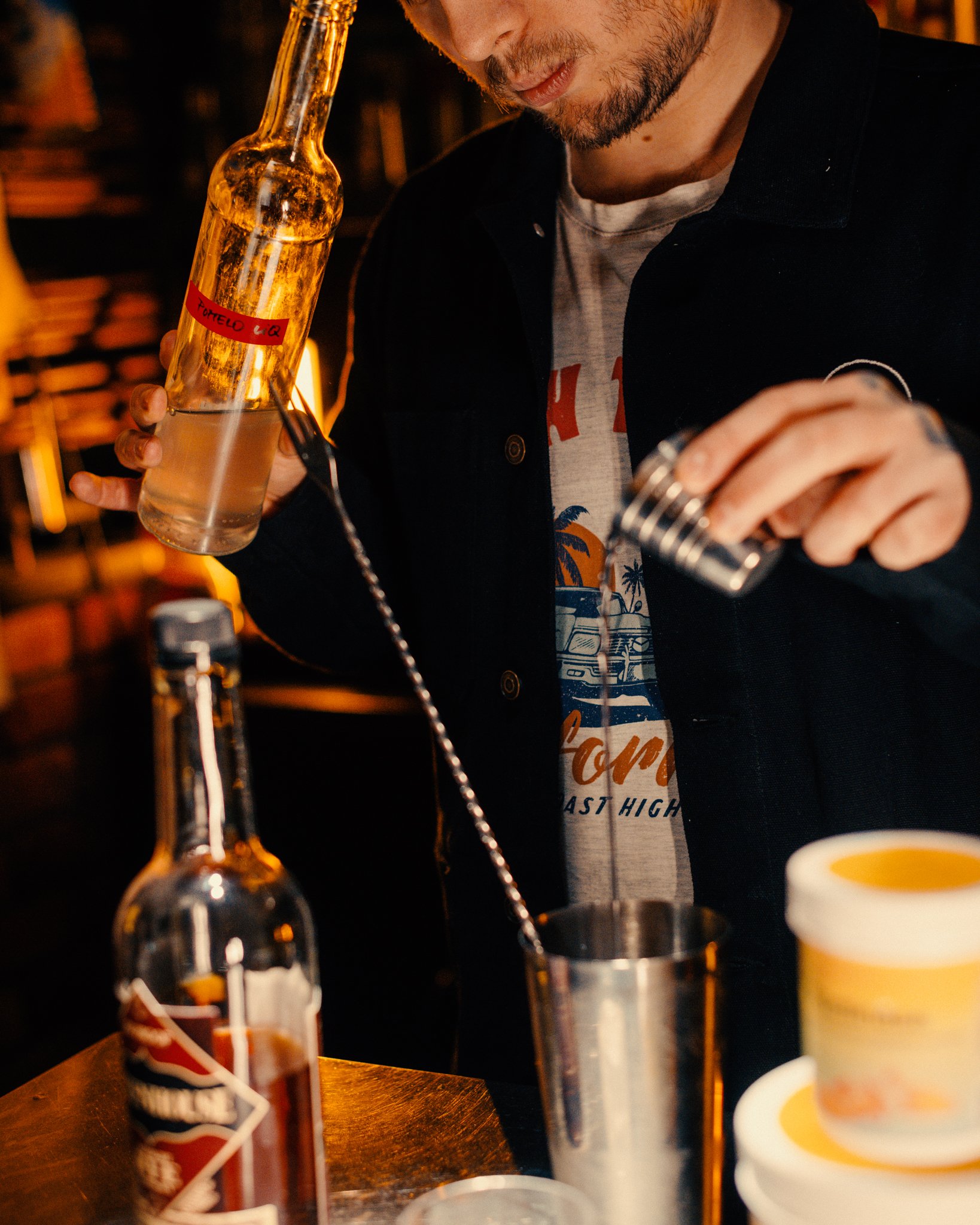
At the heart of the drink, however, is a house-made BitterLess Pomelo Liqueur. It is created using the enzymes pectinase and naringinase, which help transform pomelo into a cleaner, more precise, and more controlled ingredient. The result is a modifier that keeps the character of the fruit, but without unnecessary aggressive bitterness.
That is what makes Everlast so interesting.
It does not stand only on a well-chosen whiskey, but also on the decision to go deeper into ingredient work. The enzymes are not just an eye-catching extra. They are tools that change the way we think about flavour, texture, and bitterness control.
That is exactly why they are the highlight of this article.
They show that modern bartending is no longer built only on bottles, but also on know-how and ingredients that can take the final result in the glass one step further. And if you want to explore similar techniques in your own practice, pectinase and naringinase are also available in our e-shop, ready to become part of your own prep arsenal.
Everlast is therefore not just a recipe for one drink.
It is an example of how the right technique can open new possibilities even for ingredients that might otherwise stay locked in their original profile. And sometimes, all it takes is one pair of enzymes to turn an ordinary citrus fruit into a cleaner, sharper, and more functional modifier for the modern bar.
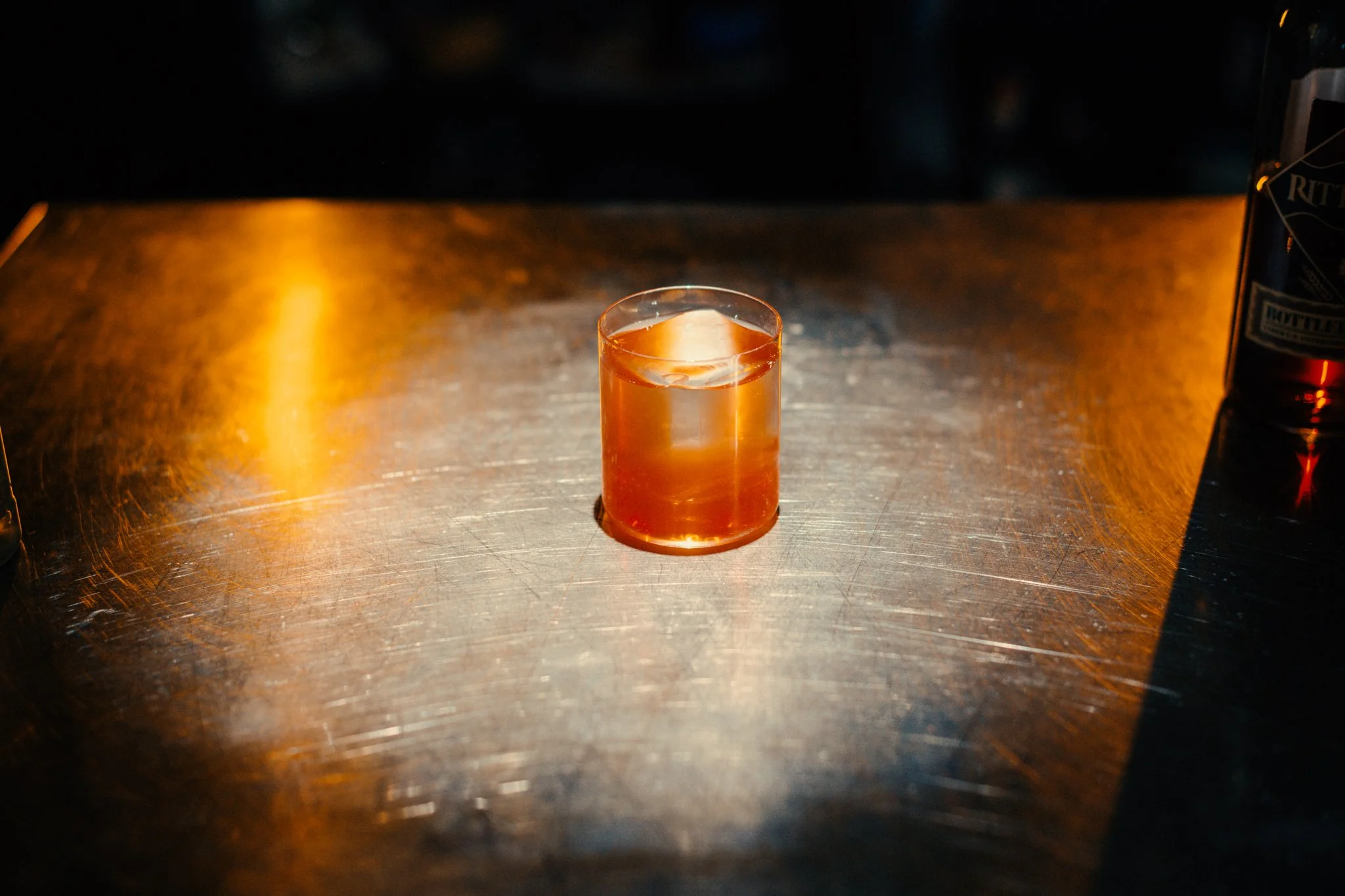
Everlast
45 ml Rittenhouse Rye
15 ml BitterLess Pomelo Liqueur
15 ml red wine
8 ml Lillet Rouge
5 drops saline solution
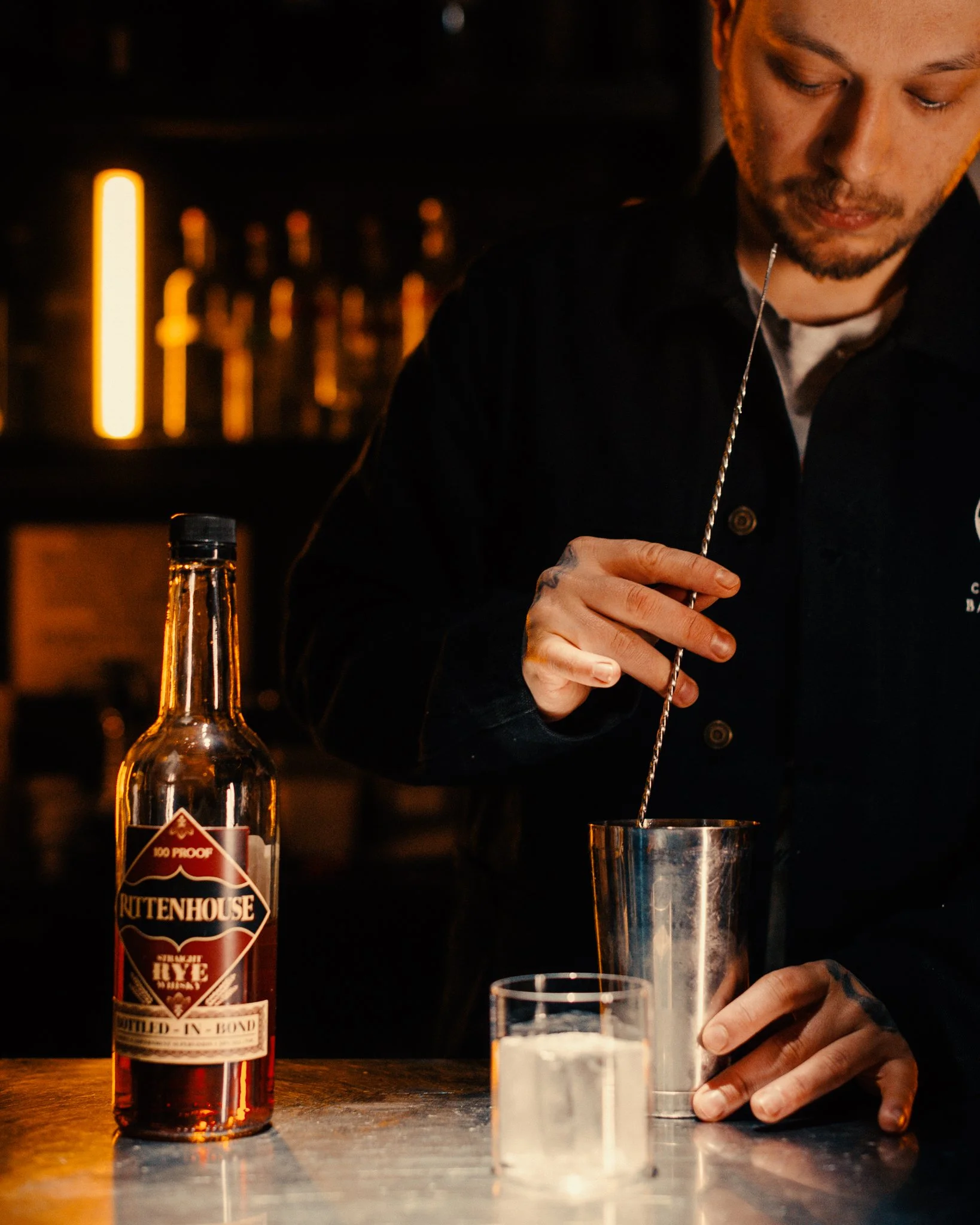
Method: Stir
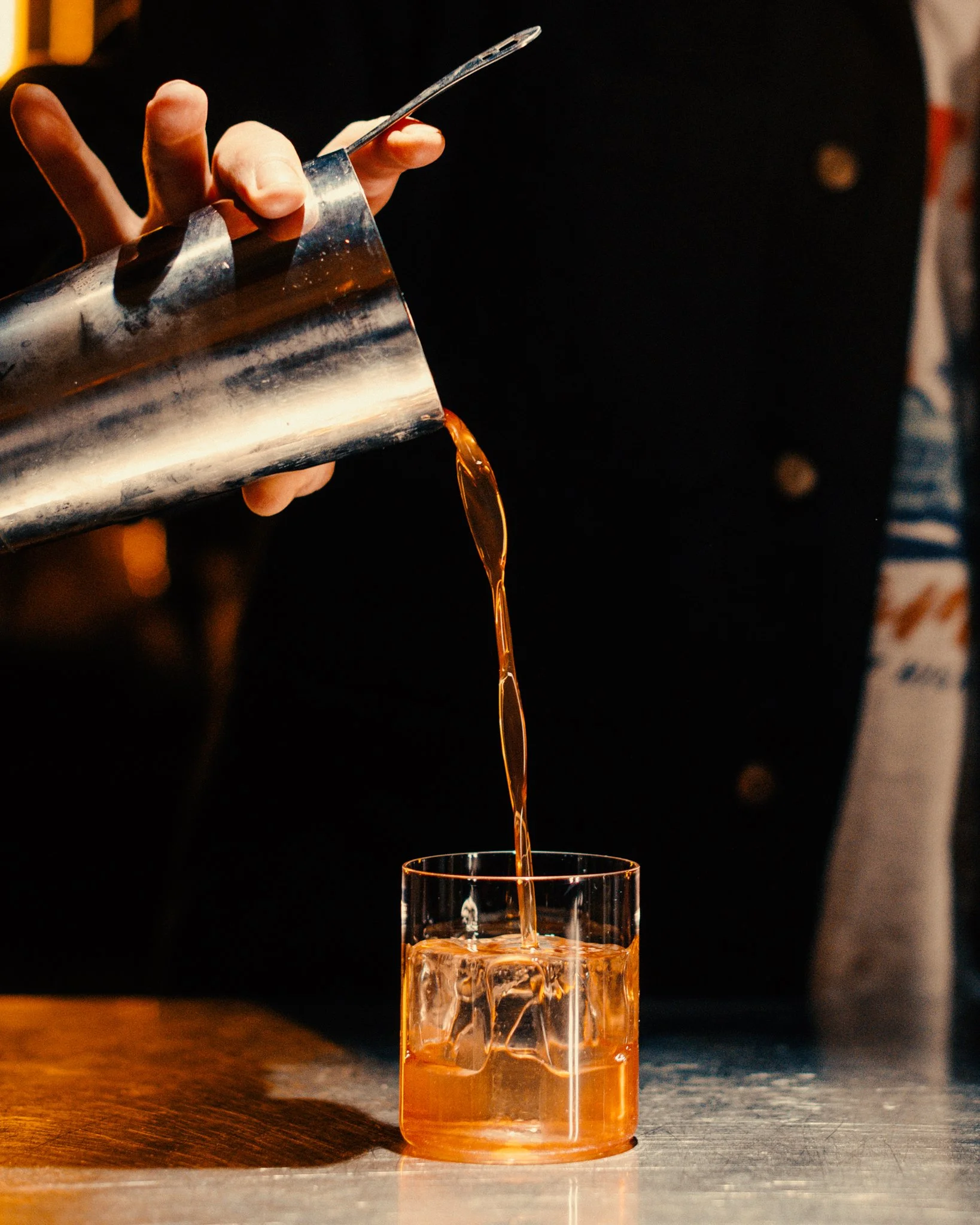
Glass: Old Fashioned
Naringinase and Pectinase Bitterless – Pomelo Liqueur
Method
Prepare a pectinase bath by dissolving 4 g pectinase in 1 L water.
Heat gently to 35–40 °C and maintain this temperature throughout the process.
Place the peeled pomelo into the pectinase solution so it is fully submerged.
Stir gently from time to time.
Treat for 15–30 minutes, checking after 10–15 minutes.
Stop once the white pith begins to loosen.
Remove the pomelo and rinse.
To 400 g strained pomelo juice, add 4 g pectinase and 8 g naringinase.
Mix well, ideally with an immersion blender.
Transfer the juice into a sealed vacuum bag and chill overnight for best results,
or leave it for approximately 4 hours at room temperature.
Strain through gauze or a coffee filter.
Measure the °Brix of the clarified juice and add sugar until it reaches 50 Brix, creating a pomelo simple syrup.
Combine with vodka in equal parts, mix well, then bottle and label.