Locality as Structural Design: Sustainability Is Not a Statement, but a System
Sustainability has become one of hospitality’s favourite talking points. Far less often, however, is it framed in a way that feels genuinely useful once service begins. That is exactly what makes Locality as Structural Design such a relevant read. Initiated by Elysian Bar Budapest in collaboration with Little Red Door, Cato, Native, and STIR, the document moves away from manifesto-style thinking and romantic ideas of “locality,” and instead focuses on something far more valuable: how bars in very different parts of the world build systems that can actually hold up under pressure.

The publication is part of The Sustainable Documents, a new initiative by Elysian conceived as a freely accessible annual series, each edition exploring one key issue within sustainable hospitality. Its first release examines locality not as a fashionable industry phrase, but as a structural tool — a way of building bar programs that are more resilient, more intentional, and ultimately more sustainable in practice.
What gives the document real depth is its refusal to treat “local” as a fixed idea. Instead, it shows how radically the meaning of locality shifts depending on geography, climate, and supply conditions. In Budapest, locality is built around seasonality, verjus, fermentation, and preservation. In Ho Chi Minh City, it becomes a strategy for navigating uncertainty within a fragile supply chain. In Singapore, where domestic agriculture is extremely limited, locality naturally expands into a regional framework. Little Red Door in Paris operates through a fully French lens, while Cato in London openly acknowledges that, in a high-volume venue, absolute zero waste remains more ideal than everyday reality. That range of perspectives is precisely what makes the document so compelling. It does not offer a single answer, but a set of working models shaped by very different realities.





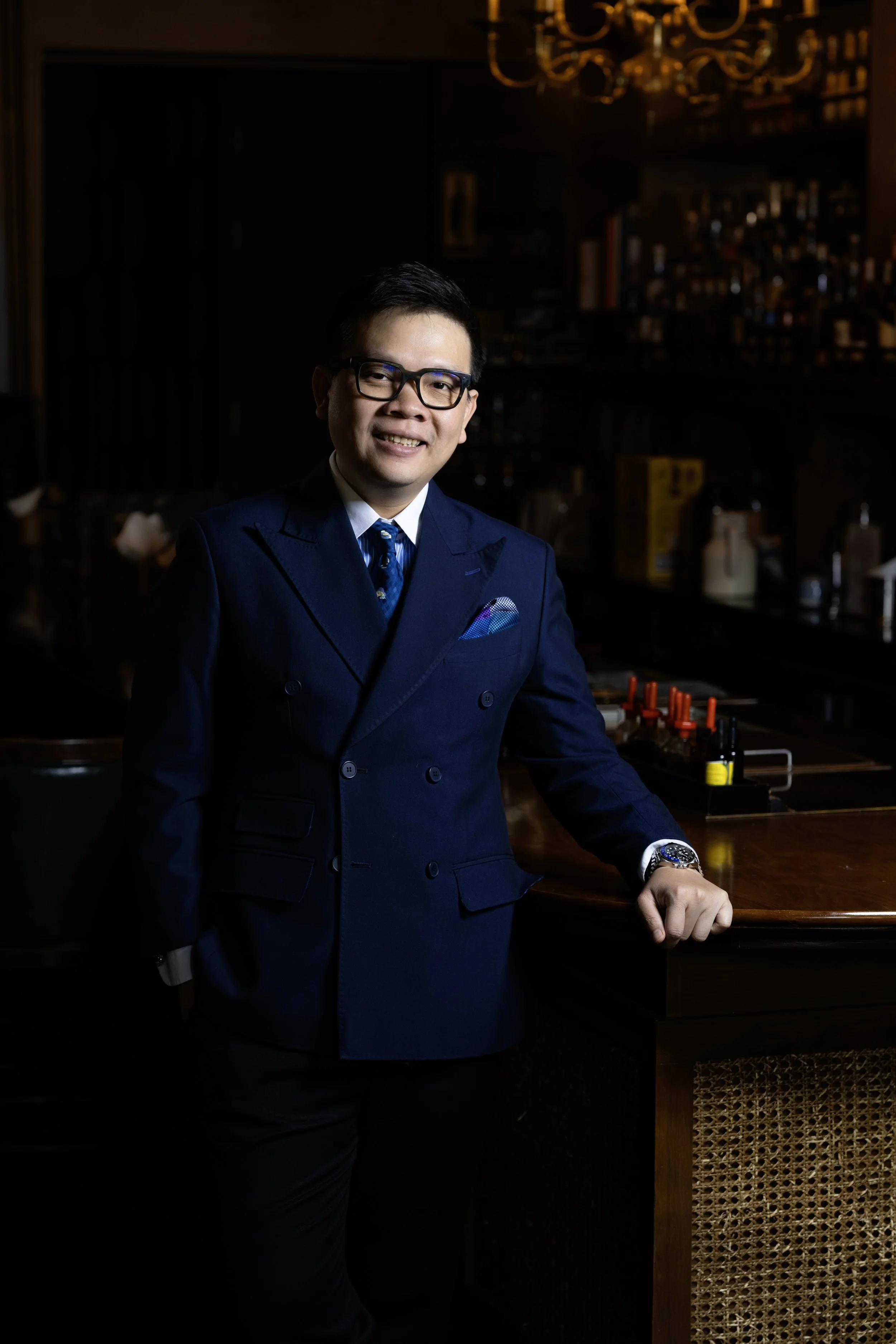
Its strength also lies in the people behind it. Contributors include Máté Szabó of Elysian Bar Budapest, Hyacinthe Lescoët of Little Red Door, Angelos Bafas of Cato, Vijay Mudaliar of Native, and Thep & Leo of STIR. These are not abstract voices commenting from a distance, but operators working within very real climatic, logistical, and financial constraints. Each of them represents a different environment, a different level of volatility, and a different understanding of what it means to run a bar responsibly while remaining operationally and economically sound.
What makes this especially significant for us is that the conversation begins in our own region. With this release, Elysian Budapest opens up a subject with clear global relevance, while also offering something immediately useful for bars across Central Europe. It is not sustainability presented as theory detached from day-to-day reality, but as a practical way of thinking about ingredients, seasonality, preservation, risk, and team capacity — one that asks not how sustainability should look, but how it can actually function.
There is also something refreshing in the document’s honesty. It makes no attempt to appear perfect. On the contrary, it repeatedly reminds the reader that sustainability starts to fail the moment it ignores staff capacity, financial reality, service volume, or the true nature of the supply chain. In other words, good intentions alone are never enough. What matters is whether the system is strong enough to carry them. That is what makes Locality as Structural Design such a valuable piece of reading: it replaces performance with structure, and aspiration with operational clarity.
If you’re interested in how bars like Little Red Door, Cato, Native, STIR, and Elysian are approaching locality today, you can read the full document here: The Sustainable Documents