Sheepster Martini
Martini has a clear structure, but there is still plenty of room for interpretation.
Sheepster Martini takes that structure in an unexpected direction by working with sheep cheese in two completely different ways — through a lipase-driven distillate and a sour cream fat wash.
The result is not built around an obvious cheesy flavour. What makes the drink interesting is the way one ingredient is broken down into several layers, with each of them entering the final cocktail through a different technique.
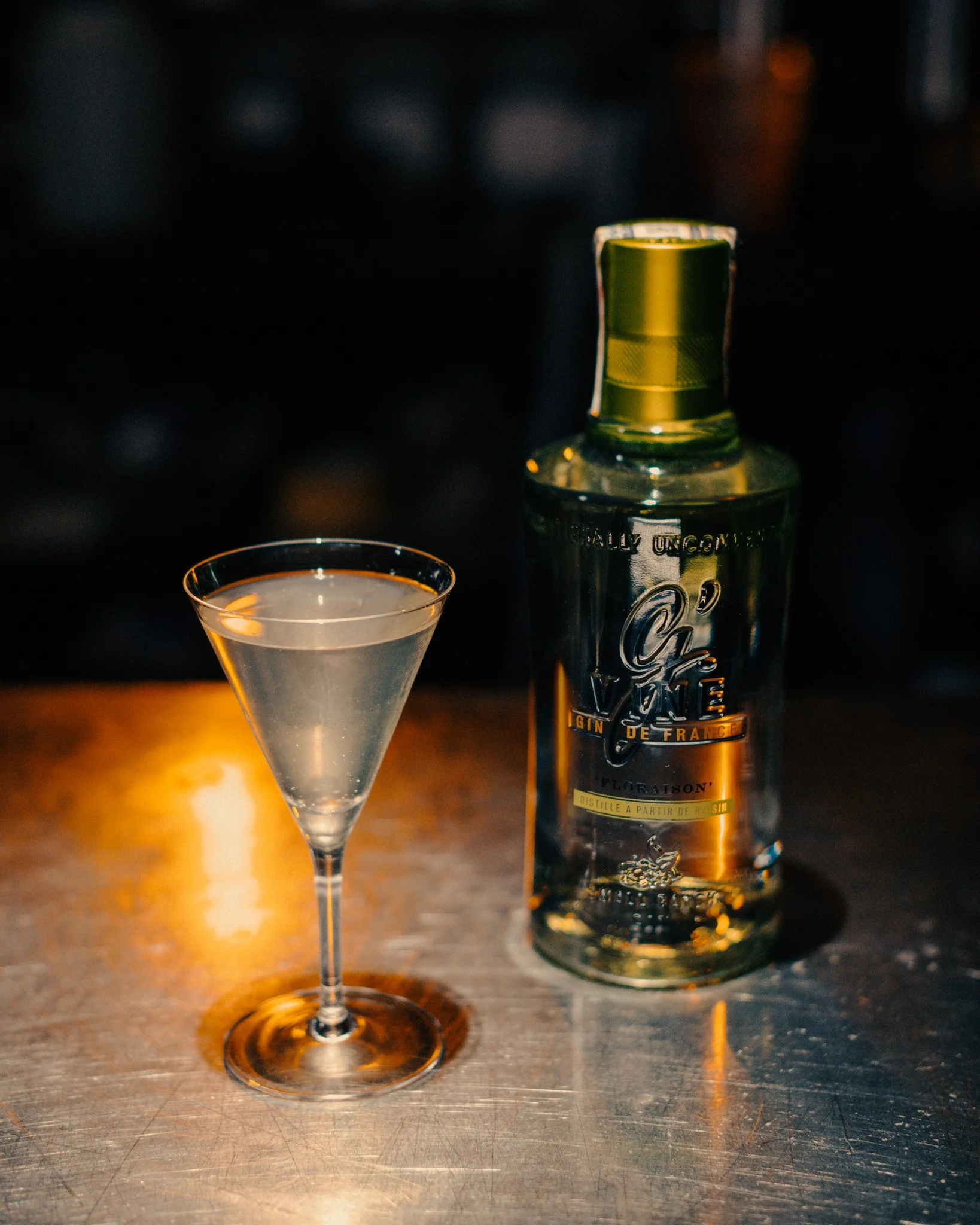
The base is G’Vine Floraison Gin, joined by Lipase Sheep Cheese Distillate, Vodka Sour Cream Fatwash and Balance White. The final recipe itself is relatively simple. Most of the real work happens long before anything reaches the glass.
The key player here is lipase.
A small amount of the enzyme is added to 100 g of sheep cheese before the mixture is blended, vacuum-sealed and kept sous-vide at 40°C for 6–8 hours. It is then rapidly chilled, combined with 500 ml of gin and transferred into the evaporating flask.
Using lipase at this stage creates a different way of approaching the cheese before distillation. Rather than putting sheep cheese directly into the cocktail, the process allows its character to be developed first and then carried into a separate component that can be used with much greater precision in the final drink.
But that is only one side of the sheep-cheese story.
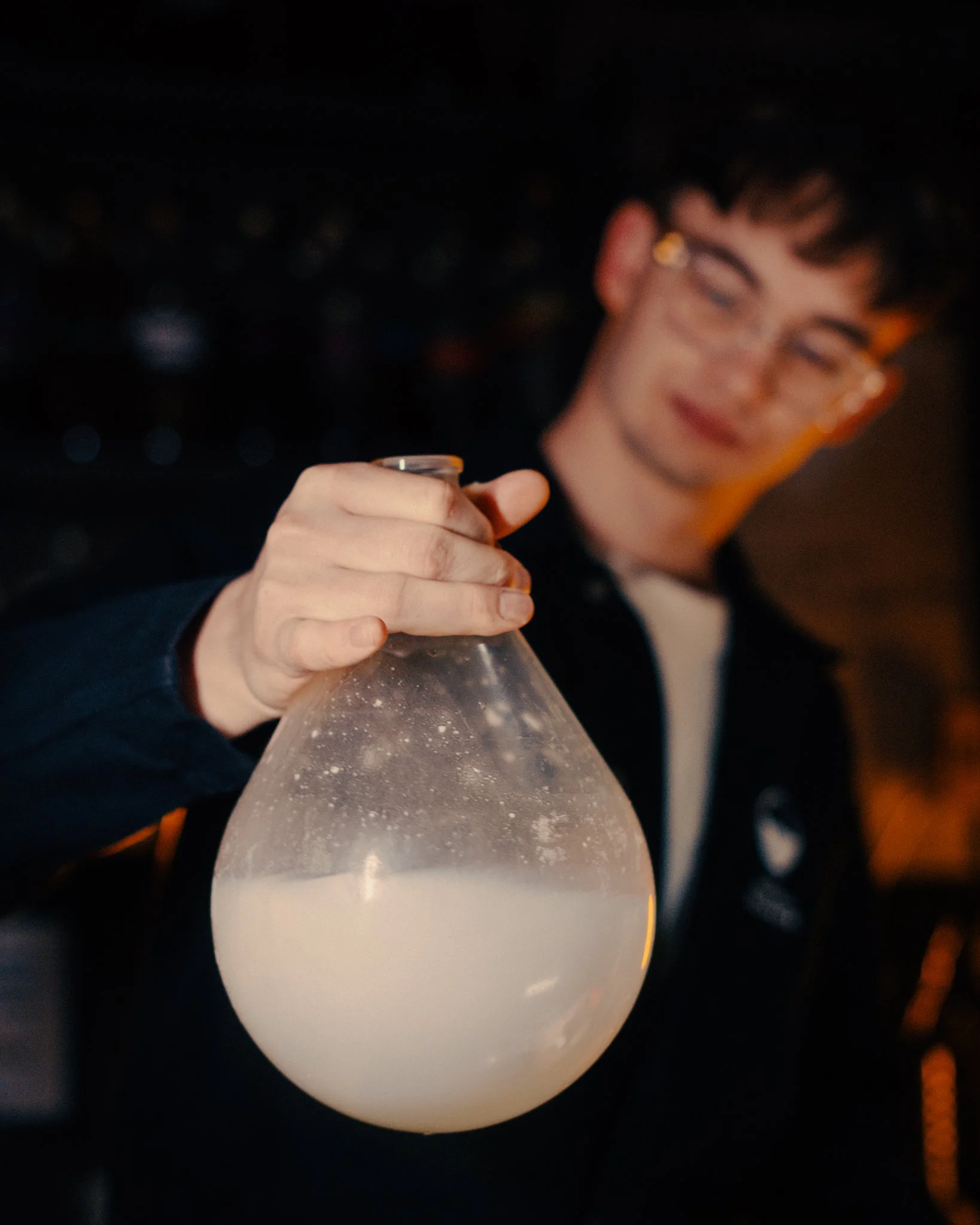
The second component is a Vodka Sheep-Cheese Sour-Cream Fat Wash. Vodka is combined with high-fat sour cream, mixed thoroughly and left to rest before being frozen for 24 hours. Once strained through cloth, it becomes another layer of the drink — bringing a creamy, dairy-driven character in a completely different way from the distillate.
It is the combination of these two approaches that makes Sheepster Martini more than an experiment with an unusual ingredient. One part of the recipe uses enzymatic treatment and distillation, while another relies on fat washing. Instead of one heavy, dominant cheese note, the ingredient appears in several more controlled layers that come together in the finished cocktail.
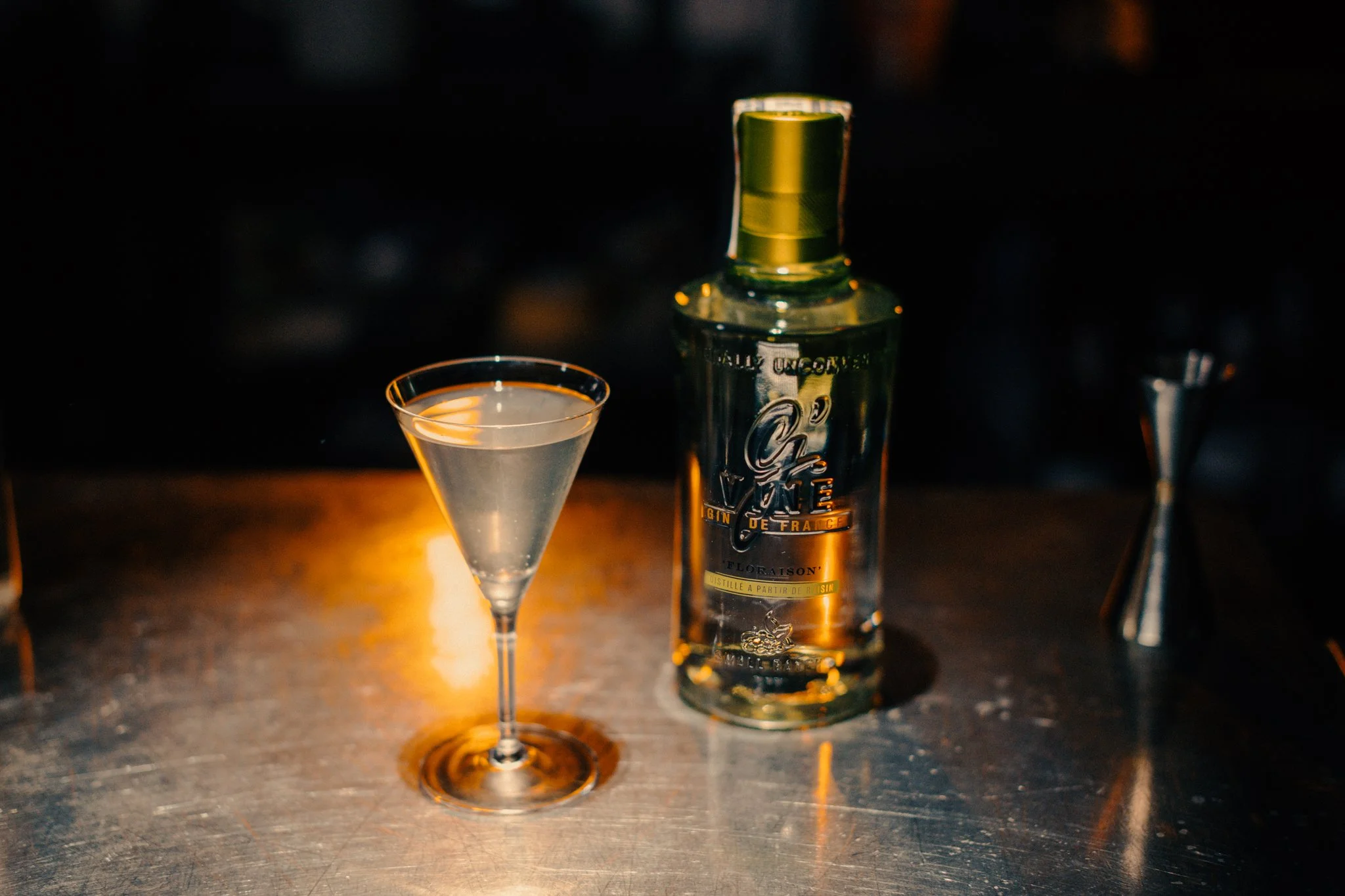
Sheepster Martini
20 ml G’Vine Floraison Gin
20 ml Lipase Sheep Cheese Distillate
20 ml Vodka Sour Cream Fatwash
15 ml Balance White
Lipase Sheep Cheese Distillate
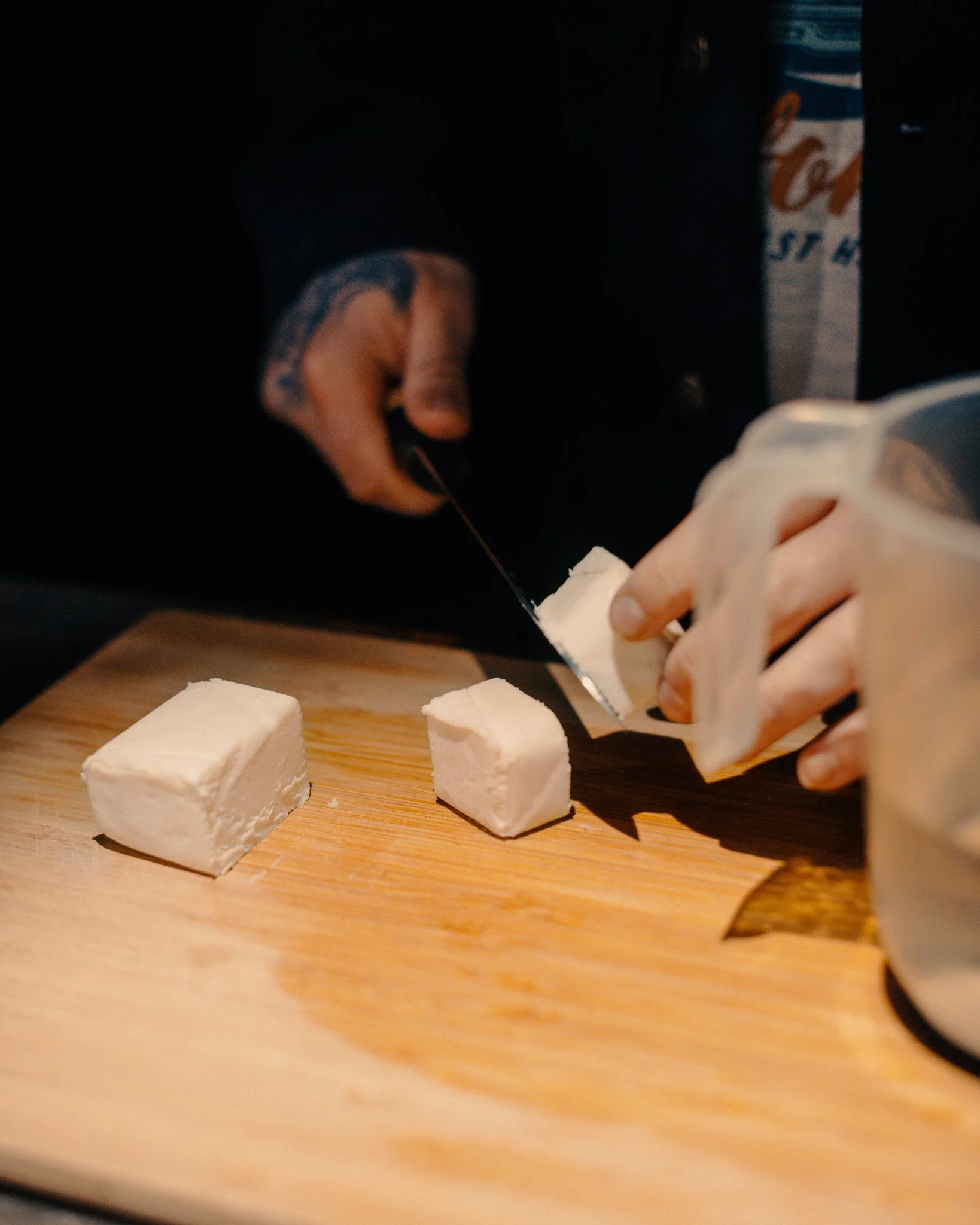
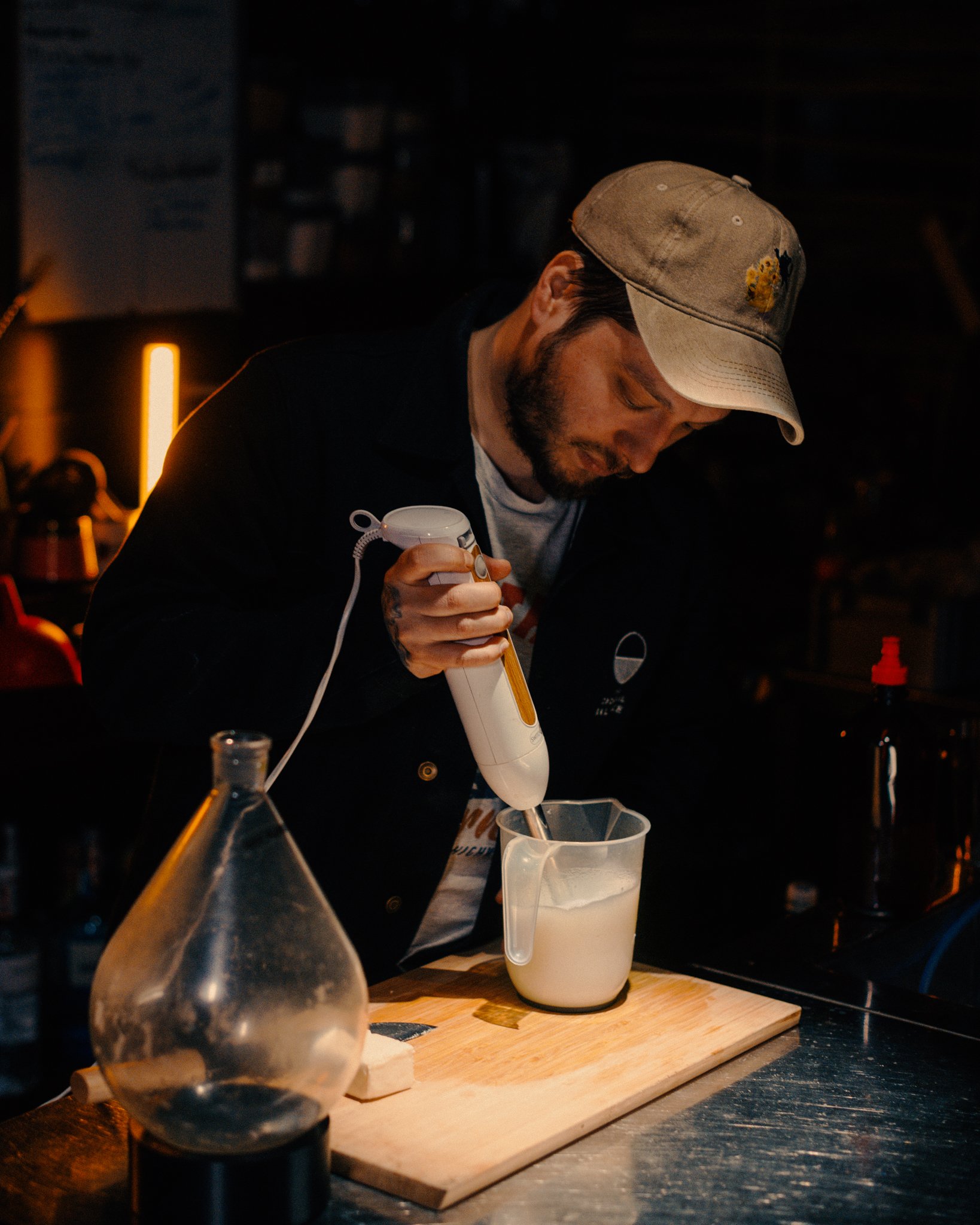
Crumble 100 g of sheep cheese, or break it down using an immersion blender.
Add 0.1–0.25 g of lipase and mix thoroughly.
Vacuum-seal the mixture and cook sous-vide at 40°C for 6–8 hours.
Cool it rapidly in an ice bath, add 500 ml of gin, then transfer everything into the evaporating flask.
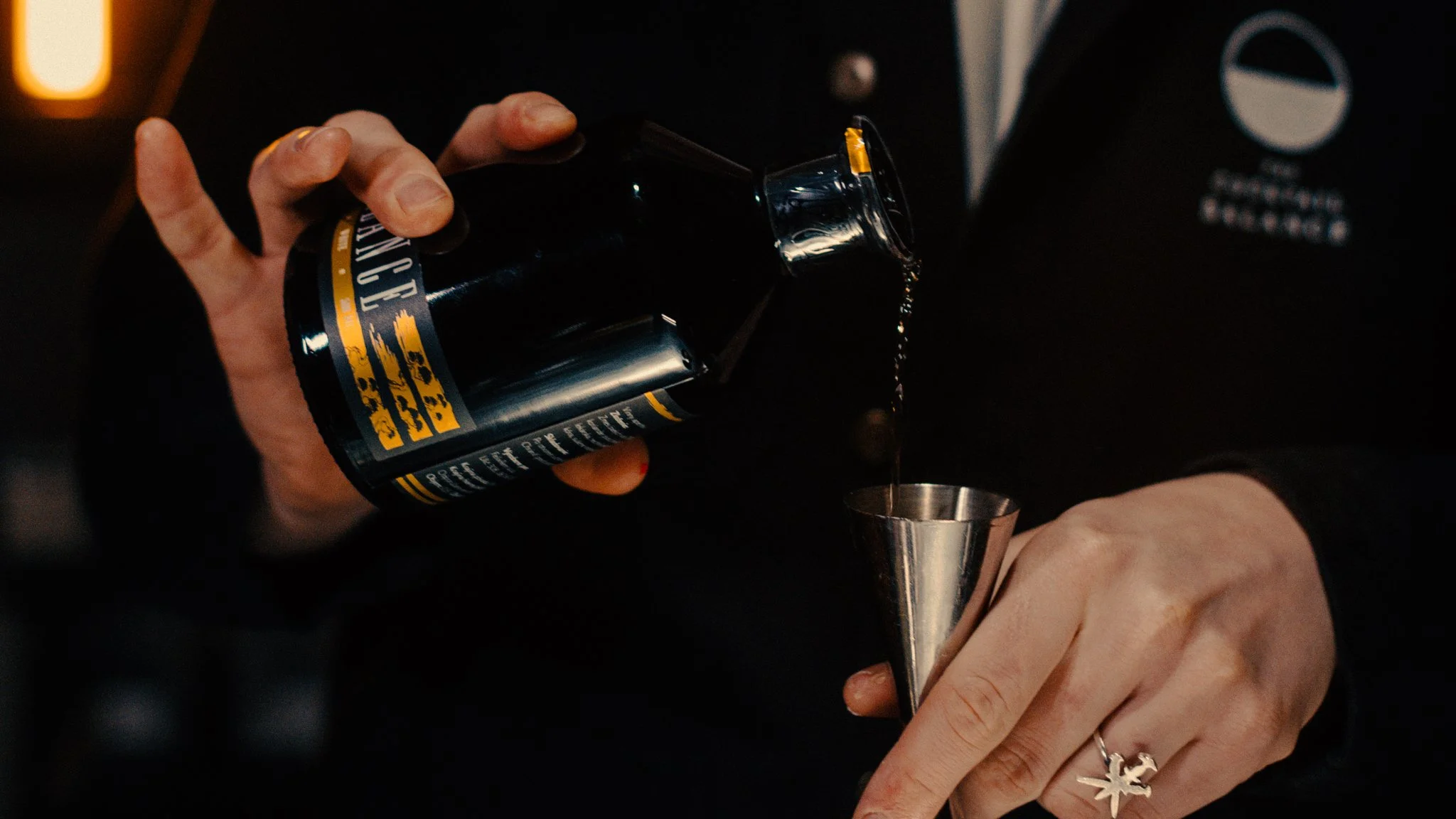
Distillation
The distillation process itself starts at atmospheric pressure, which is then reduced to 200 mbar. At this stage, the pressure can be lowered relatively quickly. It is then gradually reduced to 100 mbar and 80 mbar, with the aim of preventing foaming and keeping the distillation under control. The heating bath is set to 35°C, the chiller to –5°C, and after approximately one hour the pressure is reduced further to 50 mbar. The process continues until approximately 400 ml of distillate has been collected.
Allow the distillate to stabilise, then add 1 g of glycerol and 0.5 g of saline solution.
Vodka Sheep-Cheese Sour-Cream Fat Wash
Add 750 ml of vodka and 250 ml of high-fat sour cream to the evaporating flask.
Mix thoroughly, transfer into a sous-vide bag and seal.
Leave to rest for 1 hour.
Then freeze the mixture for 24 hours.
Once frozen, strain it through cloth.
The result is a Vodka Sheep-Cheese Sour-Cream Fat Wash, ready to become part of the final Sheepster Martini.
Sheepster Martini
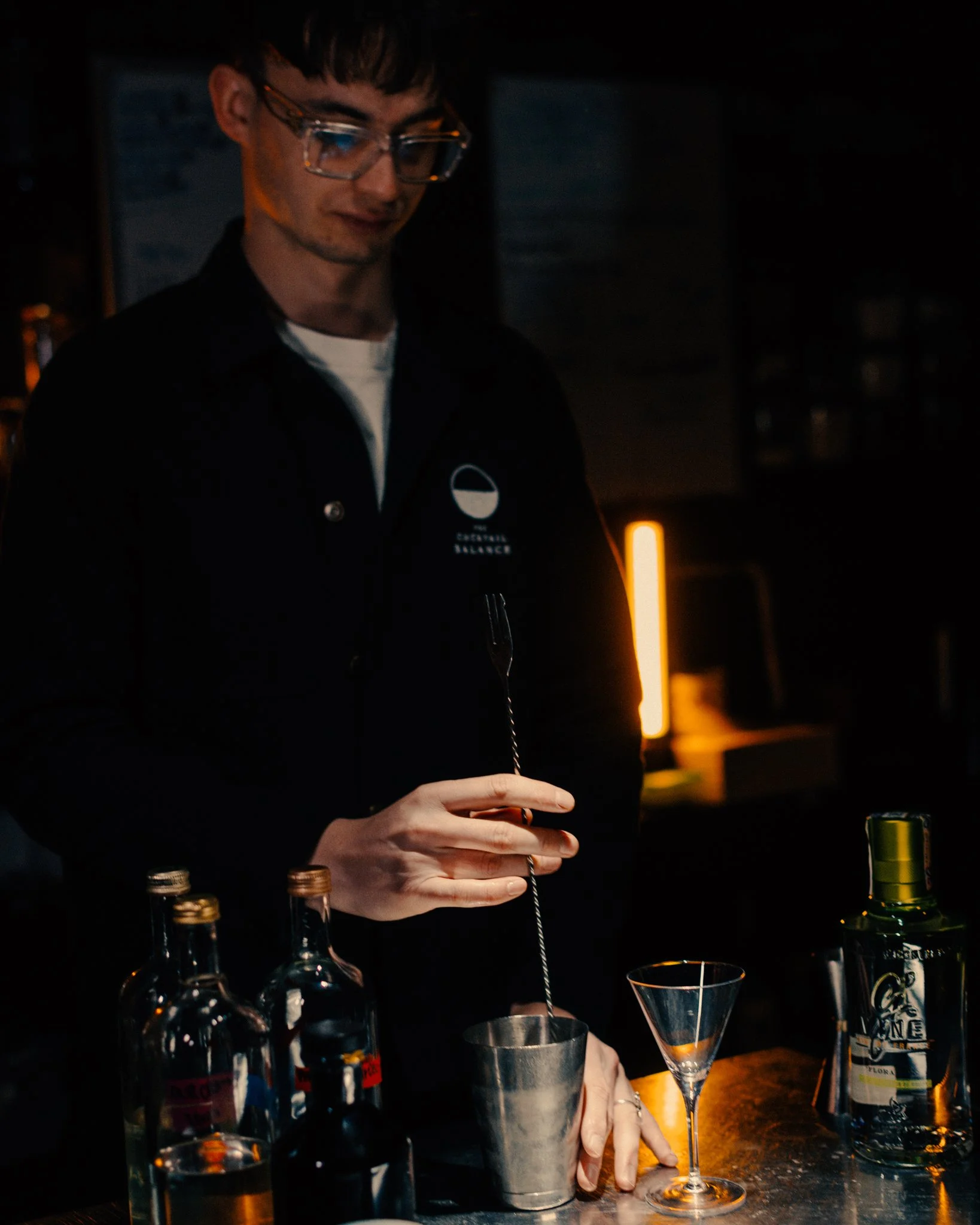
The finished drink is much cleaner than its ingredient list might suggest at first glance. Sheep cheese, sour cream, gin and vodka may sound more like the beginning of a strange kitchen experiment than a Martini, but the techniques allow each component to appear in its own layer rather than competing for attention.
Sheepster Martini is a good example of how far familiar ingredients can be pushed when they are approached differently. The goal is not to put cheese into a glass simply for the sake of it. It is about finding a way to capture its character and translate it into a form that actually makes sense in a cocktail.
That is where lipase becomes particularly interesting. In this recipe, the enzyme opens up a different way of working with dairy and fat-based ingredients behind the bar. And if you want to start experimenting with similar techniques in your own prep, lipase is also available in our e-shop.
Sheepster Martini may not be something you prepare in five minutes.
But that is hardly the point. It is a reminder that there is still plenty of unexplored territory between the kitchen and the bar.